Cold calling has a bad reputation, mostly because most cold calling scripts sound exactly like what they are — a script being read aloud to a stranger who can tell within five seconds. The good news is cold calling still works remarkably well when the script is built around genuine conversation instead of a rigid pitch, and buyers can tell the difference immediately.
Why Most Cold Calling Scripts Fail
Traditional cold calling scripts fail because they front-load the pitch before earning the right to have a conversation — the prospect feels sold to within the first ten seconds and mentally checks out, regardless of how good the actual offer is.
Step 1: Open With a Pattern Interrupt, Not a Pitch
Instead of launching straight into your company’s value proposition, open with something that breaks the expected “telemarketer” pattern — acknowledging you’re calling out of the blue, or asking a genuine, relevant question about their current situation.
Step 2: Ask Permission Before Pitching
A simple line like “Do you have 30 seconds for me to explain why I’m calling, and you can tell me if it’s worth continuing?” respects the prospect’s time and dramatically increases the odds they’ll actually listen to what follows.
Step 3: Lead With a Specific, Relevant Problem
- Reference something specific to their industry or role, not a generic pain point
- Keep the problem statement to one or two sentences maximum
- Frame it as a question when possible, inviting them to confirm or correct you
Step 4: Build in Natural Pauses for Response
Good cold calling scripts aren’t monologues — they’re built around checkpoints where you stop and let the prospect respond, adjusting your next line based on what they actually say rather than plowing through a fixed script regardless of their reaction.
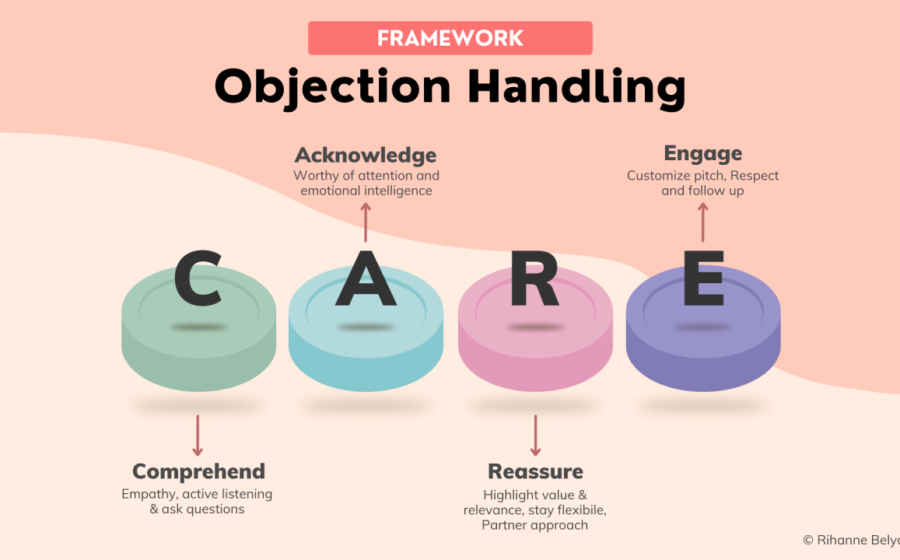
Step 5: Handle the Inevitable “Not Interested” Gracefully
A calm, low-pressure response like “Totally understand — mind if I ask what you’re currently using for this?” often reopens the conversation better than pushing back defensively, and gathers useful information even if this particular call doesn’t convert.
Step 6: Always Have a Clear, Low-Commitment Next Step
Don’t end calls with a vague “I’ll follow up” — propose a specific, low-commitment next step: a 15-minute call next Tuesday, or sending a specific relevant resource, giving the conversation clear momentum.
Sample Opening Framework
“Hi [Name], this is [Your Name] from [Company] — I know this is out of the blue, so I’ll keep it brief. I noticed [specific, relevant observation about their business]. Is that something you’re currently dealing with, or has it already been solved?”
FAQ
Are cold calling scripts still effective in 2026? Yes, when built around genuine conversation and specific relevance rather than a generic pitch, cold calling remains an effective channel, especially for B2B sales.
How long should a cold calling script be? The opening should be brief — under 20 seconds — with the rest of the conversation adapting based on the prospect’s responses rather than following a long fixed script.
Should I memorise my cold calling script word for word? It’s better to internalise the structure and key phrases rather than memorising verbatim, which helps you sound natural and respond authentically to unexpected answers.
What’s the best time of day to make cold calls? Research generally points to mid-morning (10-11am) and late afternoon (4-5pm) as higher-response windows, though this varies by industry and audience.
How do I handle gatekeepers when cold calling? Being respectful and direct about who you’re trying to reach and why, rather than trying to trick or bypass the gatekeeper, tends to build better long-term relationships and results.
What’s a good cold call to meeting conversion rate to aim for? Conversion rates vary widely by industry, but many B2B teams consider 1-3% of cold calls converting to a booked meeting a reasonable benchmark to improve from.
Conclusion
Effective cold calling scripts in 2026 aren’t about sounding polished — they’re about sounding human, asking permission, and genuinely listening before pitching. Build your script around a flexible structure rather than a rigid word-for-word pitch, and focus each call on earning the next thirty seconds of attention rather than closing the deal immediately. Over time, this conversational approach consistently outperforms the old-school hard sell.
[link to related guide about handling sales objections here] [link to related guide about building a brand story here]
Suggested image alt text:
- “sales representative making cold call using script framework”
- “salesperson taking notes during phone conversation with prospect”
- “sales team practicing cold calling scripts in training session”