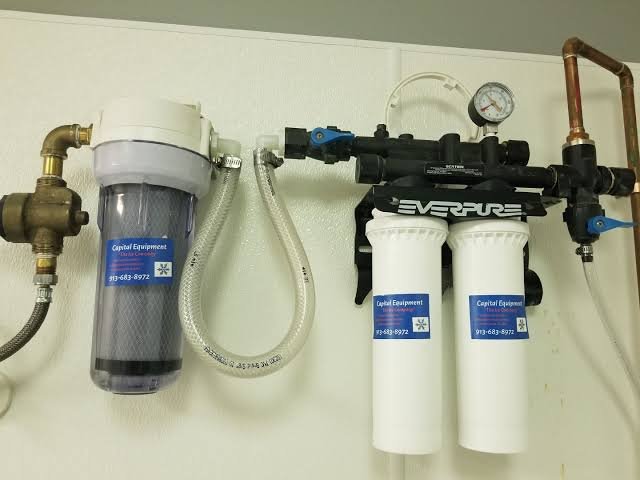
A water treatment system is easy to appreciate when everything works as it should. The water tastes right, equipment runs smoothly, and nobody has to think twice about what comes out of the tap. But when a filter becomes clogged, a pump starts acting up, or mineral buildup returns, that quiet reliability can disappear rather quickly.
For homeowners, these problems can be inconvenient. For businesses, they may interrupt daily operations, create unexpected expenses, and leave staff scrambling to find a solution. The good news is that many issues can be reduced with regular maintenance and a sensible service plan. It doesn’t have to involve complicated paperwork or constant appointments. Often, a little planning is all it takes to avoid a much bigger headache later.
Why Water Treatment Equipment Needs Regular Attention
Water treatment systems do plenty of work behind the scenes. Depending on the setup, they may remove suspended particles, reduce certain chemicals, soften hard water, or help control water chemistry. Their components don’t last forever, though, and performance can gradually change as filters collect material, membranes wear, and moving parts experience normal use.
The incoming water also makes a difference. A system treating relatively clean municipal water may need attention less often than one handling water with heavy sediment or high mineral content. Usage matters, too. A restaurant or commercial facility that runs water throughout the day will generally have different maintenance needs from a small office.
Sometimes the warning signs are obvious. Water pressure drops, unusual tastes return, or scale begins appearing on fixtures. Other times, a system may continue operating while its treatment performance quietly declines. That’s why waiting for a visible problem isn’t always the best approach.
A maintenance schedule based on the equipment manufacturer’s guidance, water conditions, and actual usage gives owners a clearer picture of what needs attention and when.
The Value of a Straightforward Service Agreement
Many people put off maintenance because they aren’t sure whom to call, what the visit will cost, or whether the problem can wait another month. Those questions are understandable, especially when several pieces of equipment need looking after.
A well-designed no-hassle service agreements arrangement can make the process more predictable. Rather than arranging every inspection from scratch, a customer has an agreed plan for routine servicing, communication, and support. The exact terms vary, but the goal is simple: make it easier to keep the system working properly without turning maintenance into another full-time responsibility.
Before signing an agreement, take a few minutes to read the details. How many service visits are included? Are emergency callouts covered? What happens if a technician discovers a part that needs replacing? Is there a separate charge for travel or work outside normal business hours?
These questions aren’t about being difficult. They’re about knowing what you’ve agreed to. A reliable service provider should be comfortable explaining the terms clearly and helping you understand which option suits your equipment.
For commercial customers, predictable servicing can also help with budgeting. Instead of reacting to every breakdown as a surprise expense, managers can plan for routine work and understand where additional costs might arise.
Testing Helps Catch Problems Before They Grow
Water treatment isn’t only about whether equipment switches on. The treated water must also meet the needs of its intended use. A filter may appear clean, for example, but its performance can depend on how much water has passed through it and which substances it is designed to reduce.
That’s where regularly scheduled testing becomes useful. Depending on the system, testing may involve checking hardness, pH, chlorine levels, conductivity, or other relevant indicators. Some applications may require specific contaminant testing through a qualified laboratory.
The right testing schedule depends on the water source, treatment technology, usage, and applicable requirements. There isn’t one universal timetable that suits every property. A commercial kitchen, a manufacturing process, and a residential drinking-water system may each need a different monitoring plan.
Keep the results somewhere accessible. Even a simple record of dates, readings, filter replacements, and service visits can help identify changes over time. If hardness begins increasing after a softener has been operating well for months, for instance, the pattern may point toward a maintenance issue or a change in operating conditions.
Testing also helps avoid unnecessary work. Rather than replacing components based only on guesswork, owners and technicians can use the available evidence to make better decisions. Of course, a basic onsite test cannot detect every possible contaminant, so the testing method must match the concern being investigated.
Understanding What Your Service Plan Actually Covers
Service agreements can look similar at first glance, but the details often differ considerably. One plan might include inspections and basic adjustments, while another may cover a wider range of repairs. Replacement filters, membranes, chemical supplies, and major components may be treated separately.
Some providers offer plans with labor & parts included, which can make costs easier to understand when covered repairs are needed. Still, those words should never be taken as a guarantee that every repair is free. Agreements may have exclusions, coverage limits, or specific conditions for replacement parts.
Read the terms carefully and ask for examples. If a pump fails, is the replacement covered? What about a damaged control valve or a membrane that reaches the end of its service life? Are consumables included, or are they billed separately? Clear answers now can prevent frustration later.
It’s also worth checking how quickly the provider responds when something goes wrong. A low-cost agreement may be less appealing if the business has to wait several days for a technician while an essential system remains unavailable. Response times, service hours, and emergency procedures deserve a place in the decision.
For facilities that depend heavily on treated water, these practical details may matter just as much as the annual price.
Choosing a Service Provider You Can Trust
Technical ability matters, naturally, but good service involves more than knowing how to replace a filter. A dependable provider should listen to the problem, explain findings in understandable language, and avoid recommending equipment or repairs that aren’t supported by the evidence.
Ask whether technicians have experience with your particular system. Check how service records are maintained and whether you’ll receive a report after each visit. For commercial applications, documentation can be especially helpful when several employees manage the facility or when maintenance records are required.
Communication matters, too. If a technician discovers an unexpected issue, you should know what it means, how urgent it is, and what the available options will cost before additional work begins, wherever practical.
A good service relationship should leave you feeling informed rather than pressured. If every visit seems to produce a new expensive recommendation without a clear explanation, it’s reasonable to seek a second opinion.
A Little Planning Goes a Long Way
Water treatment maintenance rarely gets much attention when things are running smoothly. Yet a sensible plan can help protect equipment, maintain consistent water quality, and make operating costs easier to manage. The trick is to choose a schedule and level of coverage that reflect the actual demands of the system.
Start by reviewing the manufacturer’s maintenance recommendations and gathering any existing service records. Identify the checks that matter most, ask providers to explain their coverage, and make sure testing is appropriate for your water source and intended use.
Most importantly, don’t treat maintenance as a box to tick once a year without looking at the results. Pay attention to changes in performance, keep records, and revisit the plan when water usage or operating conditions change.
A dependable water treatment system shouldn’t demand constant worry. With clear service terms, sensible testing, and timely attention to worn components, it can do its job quietly in the background—which, for most homes and businesses, is exactly how it should be.