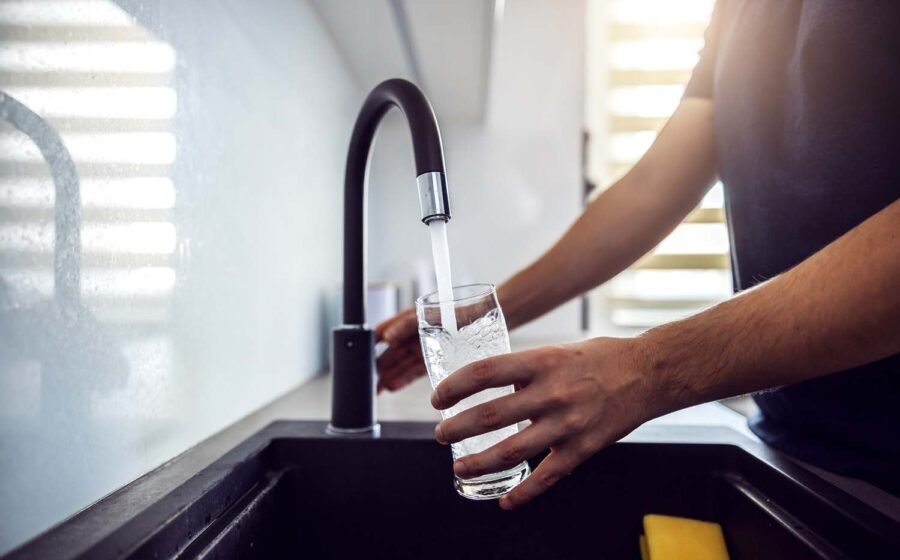
In a busy commercial kitchen, water is involved in almost everything. It goes into drinks, fills ice machines, rinses vegetables, cleans equipment, and helps staff maintain everyday hygiene. When the water supply isn’t properly treated, the effects can show up in unexpected places, from cloudy ice cubes and unpleasant odors to mineral buildup on expensive appliances. For restaurants, hotels, cafés, and catering businesses, water quality deserves more attention than it often receives.
The good news is that managing water quality doesn’t have to be complicated. With the right equipment, routine maintenance, and a clear understanding of a property’s needs, businesses can protect their equipment, support sanitation practices, and deliver a better experience to customers.
Why Commercial Kitchens Need a Reliable Water Treatment Plan
Commercial kitchens use a considerable amount of water throughout the day. A restaurant might use it for food preparation, dishwashing, beverage service, and ice production, often all at once. Even when municipal water meets applicable drinking water standards, its mineral content, taste, and other characteristics can affect equipment performance and the final product.
Hard water is a common example. Calcium and magnesium can accumulate inside pipes, heating elements, dishwashers, and coffee machines. Over time, this scale may reduce efficiency, increase maintenance requirements, and shorten the useful life of equipment. Water with noticeable chlorine tastes or odors can also affect beverages and certain prepared foods.
A practical treatment plan begins with understanding the incoming supply. Testing can help identify hardness, chlorine levels, sediment, pH, and other relevant characteristics. The results provide a useful starting point for choosing treatment methods instead of spending money on equipment that may not solve the actual problem.
The Role of Water Sanitization in Food Service
Clean-looking water isn’t automatically free from every possible contaminant. Commercial food businesses need dependable procedures for maintaining water quality, cleaning equipment, and preventing contamination during storage and handling.
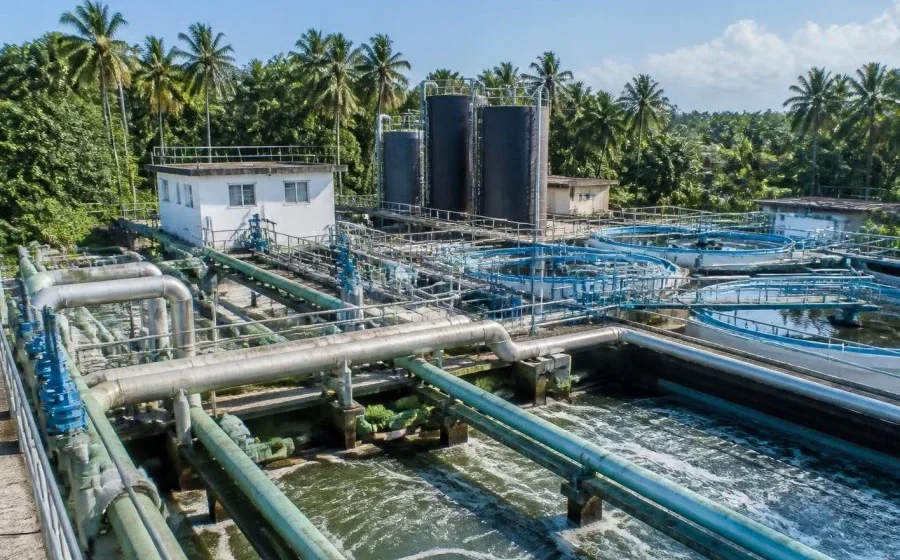
commercial water sanitization can be an important part of a broader water safety strategy, depending on the source water, test results, local regulations, and the type of business. Appropriate approaches may include ultraviolet treatment, carefully controlled disinfection, or other technologies selected for the specific application. Each method has different strengths and limitations, so choosing one requires a clear understanding of what needs to be addressed.
For instance, ultraviolet systems can inactivate certain microorganisms when water passes through a properly designed unit. However, UV treatment does not remove dissolved minerals, and its performance depends on factors such as water clarity, flow rate, lamp condition, and system maintenance. Filtration may therefore be needed beforehand to help ensure effective operation.
It’s also important to remember that treating incoming water doesn’t replace good kitchen hygiene. Staff still need to follow established cleaning procedures, handle food safely, and maintain ice machines and beverage dispensers according to manufacturer instructions.
Why Ice Quality Matters More Than You Might Think
Ice is often treated as an afterthought, yet it is part of the food and beverage experience. Customers notice when ice looks cloudy, carries an unusual smell, or changes the taste of a drink. In hospitality settings, these details can influence how people perceive the quality of the entire establishment.
Water minerals and suspended particles can affect ice appearance, while certain dissolved substances may influence flavor. Scale can also accumulate inside ice-making equipment, increasing cleaning needs and potentially interfering with efficient production.
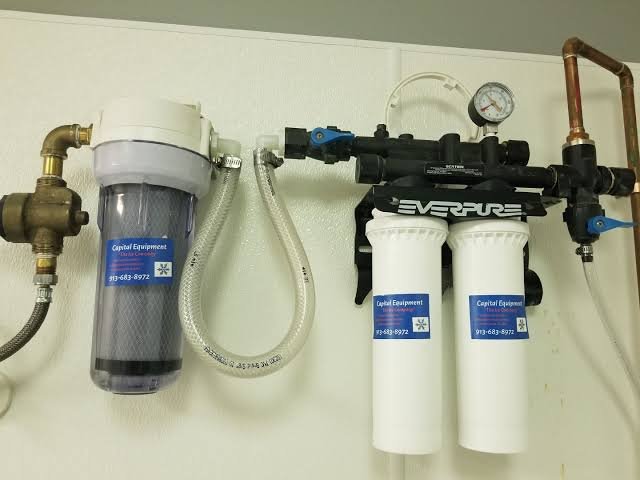
That’s where ice machine filtration becomes useful. A properly selected filter can reduce sediment, improve taste and odor, and help limit specific substances that affect ice quality. Some filters are also designed to reduce scale formation, although performance varies by product and water conditions.
The right choice depends on the ice machine, daily production volume, incoming water quality, and the manufacturer’s recommendations. A small café serving a modest number of drinks may have different needs from a hotel producing ice for several bars and dining areas.
Filters also require regular replacement. An overdue cartridge may lose effectiveness or restrict water flow, so staff should follow the recommended service schedule and keep records of maintenance.
Choosing Filtration for Different Kitchen Needs
Not every water outlet in a commercial kitchen requires identical treatment. Drinking water, ice production, food preparation, and equipment protection can have different priorities. A well-planned system accounts for those differences without making daily operations unnecessarily difficult.
kitchen filtration systems may combine sediment filtration, activated carbon, scale control, and other treatment technologies, depending on the water analysis and intended use. Sediment filters capture particles, while activated carbon can reduce chlorine taste and odor and certain other compounds when the product is certified for those claims. Water softeners address hardness, but they do not perform the same job as a drinking-water filter or disinfecting system.
For a restaurant, this might mean installing dedicated filtration for an ice machine and beverage station while using a separate treatment solution to manage hardness across selected equipment. A hotel kitchen may need a broader design because several appliances operate continuously and water demand changes throughout the day.
Avoid choosing equipment based only on price or a long list of advertised benefits. Look for clear performance specifications, appropriate certifications, compatible flow rates, and straightforward servicing requirements. The best system is one that meets the actual need and can be maintained consistently.
Maintenance Is Part of the Investment
Even high-quality treatment equipment needs attention. Filters become loaded with particles, UV lamps have service lives, and water softeners require appropriate replenishment and inspection. Ignoring these tasks can undermine the performance a business paid for in the first place.
A simple maintenance calendar can make a meaningful difference. Record filter installation dates, replacement intervals, inspection results, and any changes in water taste, odor, or equipment performance. Staff should also know whom to contact when a warning light appears or a system begins operating unusually.
Periodic water testing is useful, particularly when the source supply changes, a new treatment unit is installed, or the business experiences recurring problems. Testing should be selected according to the identified risks rather than performed as a generic exercise with no clear purpose.
Businesses should also follow local food safety requirements and relevant equipment instructions. Where water disinfection is necessary, system design and verification should be handled appropriately, since the wrong treatment method or poorly maintained equipment can create a false sense of security.
Finding a Solution That Fits the Business
Before purchasing a treatment system, consider the kitchen’s size, water consumption, equipment specifications, available installation space, and future operating plans. A busy restaurant may benefit from a system designed around peak demand rather than average daily use. A smaller café may prefer a simpler arrangement that is easy for employees to monitor.
Working with an experienced water treatment professional can help businesses interpret test results and compare suitable options. Ask what each component is designed to remove or reduce, how its performance is verified, how often maintenance is needed, and what replacement parts will cost over time.
It’s worth looking beyond the initial purchase price, too. Reduced scale buildup, more consistent beverage quality, and fewer avoidable equipment problems may provide value over the life of a system. Those benefits depend on the actual water conditions and how well the equipment is maintained, but they are sensible factors to include in the decision.
Better Water Supports Better Business
A commercial kitchen runs on dozens of small details, and water quality is one of them. When water treatment is planned carefully, businesses can improve consistency, support sanitation practices, and protect the equipment that keeps service moving.
There isn’t one universal solution for every kitchen. Testing the water, selecting appropriate treatment technologies, and keeping up with routine maintenance are the most reliable starting points. From clearer ice to better-tasting beverages and less troublesome scale, the improvements can be practical and noticeable.
In the end, customers may never ask how a restaurant treats its water. They will, however, remember a refreshing drink, clean service, and a meal prepared with care. Those everyday experiences are exactly why water quality deserves a place in the kitchen’s long-term plan.