Water plays a bigger role in daily life than most people realize. It’s there when we make breakfast, clean the house, run a business, or spend an afternoon enjoying a garden pond. When the water isn’t quite right, though, the effects can show up in unexpected places. Faucets collect mineral deposits, appliances need extra attention, and outdoor water features may become cloudy or difficult to maintain.
The good news is that these problems often become easier to manage once their causes are understood. Water treatment isn’t about installing the biggest system available or following a one-size-fits-all recommendation. It’s about identifying what the water needs, choosing the right equipment, and keeping everything working properly. That approach applies to family homes, busy businesses, industrial facilities, and outdoor environments alike.
Understanding Water Quality Before Choosing Equipment
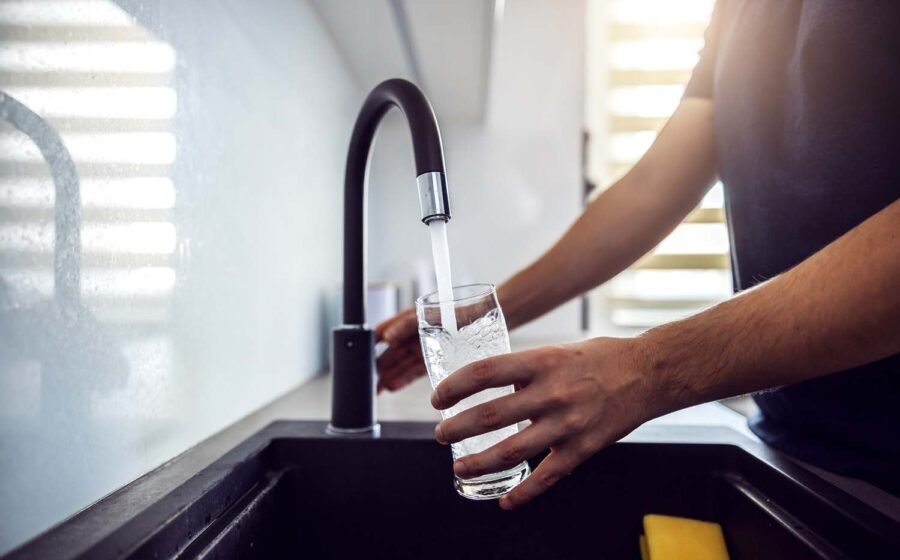
The first step toward better water is finding out what’s actually in it. Water from municipal supplies and private wells can differ in hardness, mineral content, taste, and other characteristics. Conditions may also vary between properties, even within the same community.
Hard water, for example, contains elevated levels of calcium and magnesium. These minerals can leave spots on dishes, create scale around showerheads, and build up inside water heaters. Iron may produce reddish stains, while sediment can make water appear cloudy. Other concerns, such as certain dissolved chemicals or microorganisms, require more specific testing.
It’s important not to judge water quality by appearance alone. Clear water isn’t necessarily free of contaminants, and an unusual taste doesn’t automatically identify the cause. Appropriate testing provides a more reliable foundation for choosing treatment.
Once the results are available, a homeowner or property manager can decide whether filtration, softening, disinfection, or another method is needed. This simple step can prevent unnecessary purchases and help ensure the chosen equipment addresses a real problem.
Meeting the Needs of Commercial and Industrial Properties
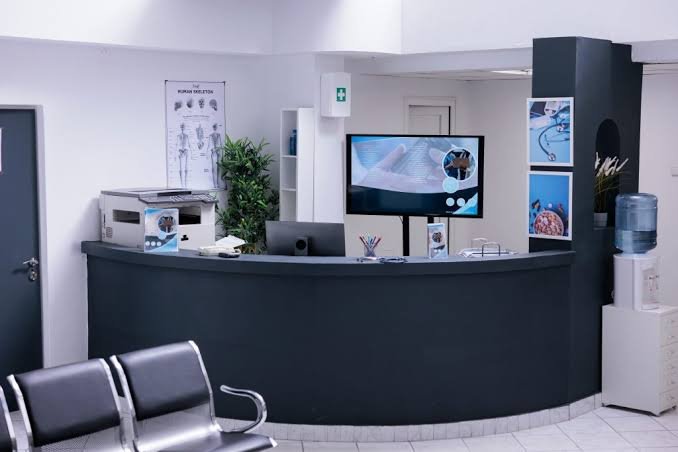
Water requirements can change considerably when moving from a home to a commercial or industrial setting. A small office may use water mainly for drinking, restrooms, and cleaning. A restaurant relies on it for food preparation, ice machines, dishwashing, and beverages. Manufacturing operations may have more specific requirements linked to production equipment or process consistency.
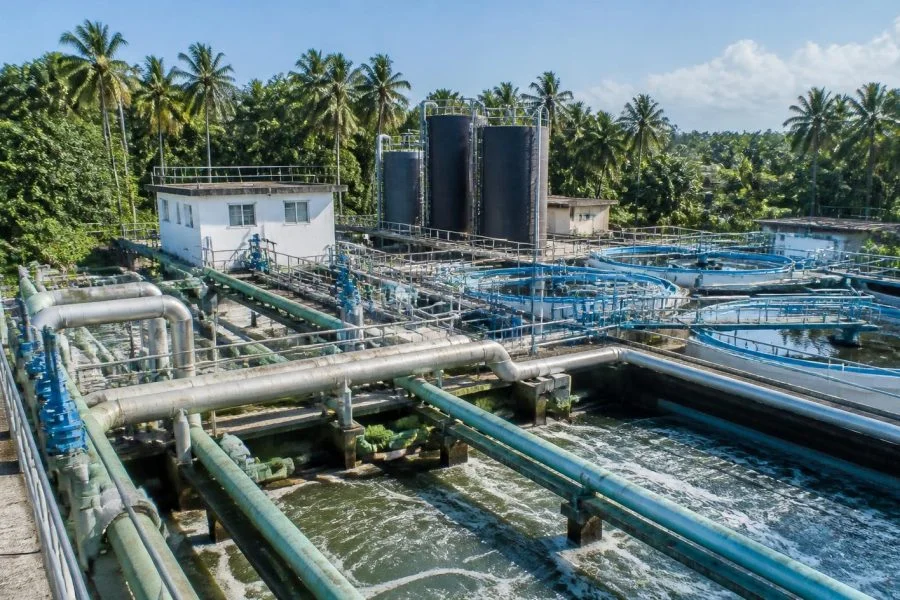
For commercial and industrial locations, selecting suitable treatment equipment involves more than checking the quality of the incoming supply. Flow rate, daily consumption, peak demand, available space, and operating costs all deserve attention. A system that works well during quiet periods may struggle when several processes need water at once.
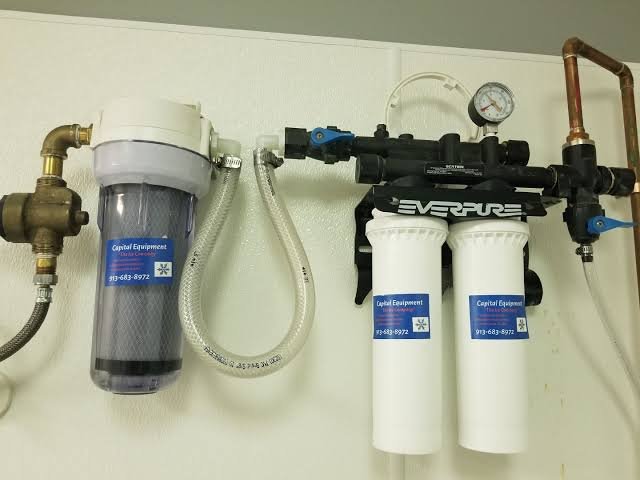
Different technologies serve different purposes. Sediment filters remove suspended particles, while activated carbon can reduce certain compounds associated with taste and odor. Water softeners help manage hardness, and reverse osmosis systems can reduce many dissolved substances when properly designed for the incoming water.
No single technology addresses every possible concern. Some applications may need several treatment stages, while others require only one targeted solution. The best system is the one that meets the property’s actual requirements without adding needless complexity.
Businesses should also consider what happens when maintenance is overlooked. A clogged filter or neglected component can affect water flow, equipment performance, and daily operations. Planned servicing and clear maintenance records help reduce avoidable interruptions.
Outdoor Water Features Need Their Own Approach
Water treatment doesn’t stop at the kitchen tap. Ponds, fountains, decorative water features, and other outdoor installations have different challenges from indoor plumbing. Sunlight, temperature changes, falling leaves, soil, and organic waste can all influence water conditions.
A garden pond, for instance, may develop green water when algae growth increases. Debris can collect around pumps, while excess nutrients from fish waste or decomposing leaves can affect the overall balance. Simply adding a chemical treatment without understanding the underlying cause may provide only temporary improvement.
Some properties benefit from specialized outdoor services designed around their water features and equipment. Depending on the situation, this might involve checking circulation, removing accumulated debris, improving filtration, or reviewing how nutrients enter the water. Ponds containing fish or aquatic plants need particular care because treatment methods must be suitable for the living environment.
Outdoor water systems also require seasonal attention. Heavy leaf fall can increase debris, while warm weather may encourage algae growth. Cold conditions can affect pumps and plumbing, depending on the setup. A maintenance plan that reflects the local climate and the type of water feature is generally more useful than relying on occasional emergency cleanups.
Why Filtration and Circulation Matter
Filtration is often an important part of maintaining water quality, but the equipment must match the application. A drinking-water filter isn’t automatically suitable for a pond, and a pond filter shouldn’t be used to make drinking water safe.
Indoor systems may target sediment, taste, odor, hardness, or selected dissolved substances. Outdoor filtration often focuses on suspended debris and the organic material circulating through the water. In ponds, biological filtration can also support the microorganisms involved in breaking down waste.
Circulation matters because stagnant areas can allow debris to settle and create uneven water conditions. Pumps and filters should be sized for the volume of water and the needs of the system. Too little capacity can limit performance, while equipment that’s unnecessarily large may increase costs without delivering meaningful benefits.
Regular inspection helps catch problems early. If a pump begins making unusual noises, flow decreases, or water clarity changes, the equipment should be checked. These signs don’t always mean a major repair is needed, but they shouldn’t be ignored either.
Start With a Free Water Test
Choosing a treatment system can feel overwhelming when every product seems to promise a different benefit. One provider may recommend softening, another may suggest filtration, and online research can introduce even more options. Without reliable information, it’s difficult to know which recommendation makes sense.
A free water test can be a useful starting point when offered by a qualified water treatment provider. It may help identify common concerns, such as hardness or certain measurable water characteristics, and provide an initial basis for discussing treatment options.
Before relying on the results, ask what the test actually measures. A basic screening isn’t the same as a comprehensive laboratory analysis, and it may not detect every contaminant of concern. If the water comes from a private well, or if contamination is suspected, use appropriate testing methods and follow relevant public-health guidance.
The purpose of testing is to support an informed decision, not to create pressure to buy equipment. A trustworthy provider should explain the findings in plain language, describe the limits of the test, and outline realistic next steps.
Installation and Maintenance Should Never Be an Afterthought
Even well-chosen equipment needs correct installation. Connections must be secure, water pressure should fall within the manufacturer’s recommendations, and any required drainage or electrical work must be handled appropriately. Poor installation can lead to leaks, reduced performance, or unnecessary service calls.
Once the system is operating, routine maintenance keeps it in better condition. Filters and membranes may need replacement, pumps require inspection, and valves or other components can wear over time. The right schedule depends on the equipment, water quality, and how heavily the system is used.
It’s worth keeping a simple record of service dates and replacement parts. For commercial properties, this can help managers plan maintenance around operating schedules. For homeowners, it provides a useful reminder of when the next inspection is due.
If water quality changes suddenly or the system stops performing as expected, investigate the cause rather than assuming that another filter will solve everything. Sometimes the incoming water has changed; in other cases, a plumbing fault or equipment problem may be responsible.
Better Water Begins With a Thoughtful Plan
Every property has its own water needs. A family home may need help with hard water, a business may require consistent flow during busy periods, and a pond may need balanced filtration and dependable circulation. Treating these situations as if they’re identical can lead to wasted money and disappointing results.
A more practical approach begins with testing, careful equipment selection, and an understanding of long-term maintenance. Ask clear questions, compare realistic operating costs, and make sure any recommended system is suitable for its intended use.
Good water treatment isn’t necessarily complicated. With the right information and consistent care, it can protect equipment, improve everyday convenience, and help outdoor water features remain healthier and easier to manage. The important thing is to address the real problem first—and choose a solution that continues to make sense long after installation day.