
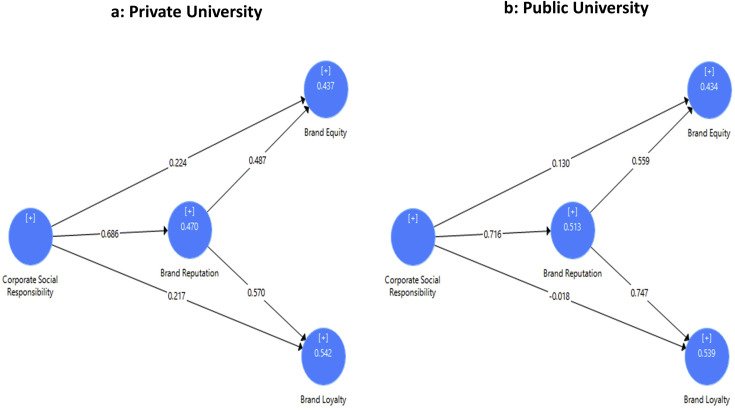
Many companies treat CSR as a legal box to tick under the Companies Act — spend the mandated 2% of profits, publish a report, move on. But the best corporate social responsibility examples show that genuine, well-executed CSR does something ticking a box never can: it builds lasting customer trust and employee pride that shows up in actual business metrics.
Why CSR Impacts Brand Trust More Than Most Founders Expect
Effective corporate social responsibility examples work because customers increasingly research the companies behind products they buy — a well-communicated, authentic CSR initiative signals values alignment, which studies consistently link to higher customer loyalty and willingness to pay a premium.
Example 1: Employee Skill-Based Volunteering Programs
Instead of one-off donation drives, companies like Tata Group have long embedded skill-based volunteering — engineers teaching technical skills to underprivileged students, marketers helping NGOs with their outreach — which builds deeper community impact than a simple cash contribution.
Example 2: Supply Chain Sustainability Initiatives
Fashion and FMCG companies increasingly audit and improve labour and environmental practices across their supply chains, not just their own factories. This kind of CSR directly addresses growing consumer concern about “greenwashing” and ethical sourcing.
Example 3: Local Community Health Camps
- Regular free health check-up camps in underserved areas near factory or office locations
- Partnering with local hospitals for subsidised treatment referrals
- Providing health awareness education alongside medical camps for lasting impact
Example 4: Education and Scholarship Programs
Sponsoring scholarships or setting up learning centres near operational areas creates long-term community goodwill that compounds over years, often turning beneficiaries into loyal customers and even future employees.
Example 5: Environmental Restoration Projects
Tree plantation drives, water conservation projects, and plastic waste reduction initiatives resonate strongly with environmentally conscious younger consumers, especially when companies are transparent about measurable outcomes rather than vague claims.
Example 6: Disaster Relief Response
Companies that mobilise quickly during floods, cyclones, or other disasters — providing immediate relief supplies or matching employee donations — often see a lasting boost in local brand loyalty that outlasts the immediate crisis.
How to Make CSR Actually Build Trust (Not Just Comply)
The difference between checkbox CSR and trust-building CSR usually comes down to authenticity and communication. Publish specific outcomes (number of people helped, measurable environmental impact) rather than vague statements, and involve employees directly rather than just writing a cheque.
FAQ
Is CSR mandatory for all companies in India? Under the Companies Act 2013, companies meeting certain net worth, turnover, or profit thresholds must spend at least 2% of average net profits on CSR activities.
What counts as CSR spending under Indian law? Eligible activities include education, healthcare, environmental sustainability, poverty alleviation, and rural development, among others listed in Schedule VII of the Companies Act.
How does CSR improve customer loyalty? Customers who perceive a brand as genuinely socially responsible are more likely to remain loyal and recommend the brand, particularly when the CSR activity aligns with the company’s actual business area.
Can small businesses do meaningful CSR without formal obligations? Yes — even businesses below the mandatory CSR threshold can build trust through smaller, authentic community initiatives like local sponsorships or employee volunteering.
What’s the difference between CSR and sustainability? CSR often covers a broader range of social initiatives, while sustainability specifically focuses on environmental impact — though the two increasingly overlap in modern corporate strategy.
How do companies measure the impact of CSR programs? Common metrics include number of beneficiaries reached, measurable outcomes (like literacy rates or trees planted), and increasingly, customer perception surveys tied to specific initiatives.
Conclusion
The strongest corporate social responsibility examples share a common thread — they’re specific, measurable, and genuinely connected to the community or issue they address, rather than generic gestures designed mainly for a press release. Done well, CSR isn’t a cost centre; it’s a long-term trust-building investment that shows up in customer loyalty, employee retention, and brand reputation over time.
[link to related guide about corporate compliance requirements here] [link to related guide about building brand trust through marketing here]
Suggested image alt text:
- “corporate employees volunteering at community health camp”
- “company tree plantation drive for environmental CSR”
- “students benefiting from corporate scholarship program