From the journal · October 27, 2026
Choosing Vehicle Wrap Materials That Balance Style, Safety, and Durability
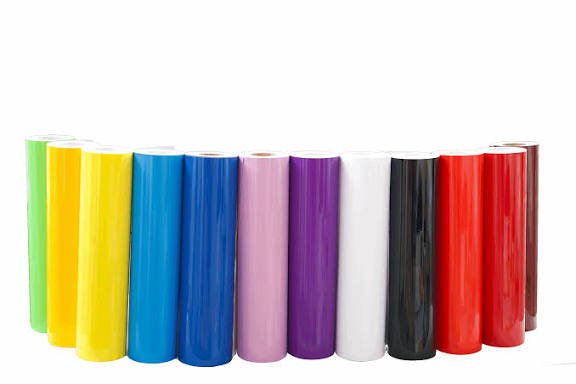
A great vehicle wrap does more than change the color of a car or display a company logo. It can give a business a recognizable identity, protect the original paintwork, and make an ordinary vehicle stand out in traffic. But the finished look is only part of the story. What really determines how a wrap performs over time is the material underneath the design, along with the quality of the installation and the conditions the vehicle faces every day.
Choosing the right film can feel confusing at first. There are different finishes, adhesive systems, thicknesses, and performance ratings to consider. Glossy colors may look impressive in a showroom, while textured finishes or specialty films can create a more distinctive appearance. The key is to match the material to the purpose of the vehicle instead of choosing based on appearance alone.
Start With the Job the Wrap Needs to Do
Before settling on a color or finish, think about how the vehicle will be used. A privately owned car that spends most of its time in a garage has different needs from a delivery van that travels across town all day. Commercial vehicles face road debris, changing weather, repeated washing, and long hours in direct sunlight.
A business should also consider how its vehicles represent the brand. A premium car may benefit from a subtle satin finish, while a service van might need clear lettering and graphics that remain easy to recognize from a distance. The best design is one that looks good without making the vehicle less practical.
Budget matters, of course, but the lowest initial price does not always deliver the best long-term value. A film that fades early, lifts around edges, or becomes difficult to remove can create extra costs later. Ask about expected lifespan, maintenance requirements, warranty coverage, and the conditions that could shorten the film’s service life.
Why Film Quality Makes a Difference
Not all vinyl films behave the same way. Some are designed mainly for flat surfaces, while others can stretch around curves, recessed areas, and complex body panels. Choosing the wrong type can make installation harder and increase the chance of wrinkles, lifting, or visible tension in the material.
For vehicles with complex contours, premium cast vinyl is often worth considering because it is manufactured to conform to curved surfaces more effectively than many calendered alternatives. It can be suitable for full wraps, detailed designs, and applications where a smooth finish is important. The exact performance still depends on the product, surface preparation, installation technique, and care after fitting.
A reputable installer should explain why a particular film suits the vehicle rather than simply recommending the most expensive option. Ask to see samples and, where possible, examples of completed projects using the same material. A sample viewed indoors can look different from a full vehicle outside, so check the finish in natural light before making a final decision.
Look Beyond Color and Finish
Color tends to get most of the attention, yet a wrap’s surface characteristics matter just as much. Gloss finishes create a polished, reflective appearance, while matte and satin films offer a quieter, more understated look. Metallic, pearlescent, and textured options can add depth, but they may require more careful cleaning to maintain their appearance.
Printed graphics introduce another consideration: the relationship between the film and the ink system. A good-looking design depends on suitable printing, proper curing where required, and a protective overlaminate when the product specification calls for one. Without the right combination, graphics may be more vulnerable to abrasion, fading, or chemical exposure.
It is also sensible to ask about certified materials when comparing suppliers. Documentation can help establish whether a film meets the manufacturer’s stated specifications and is intended for the proposed application. Certification alone does not guarantee a flawless result, however. Material selection, storage, surface preparation, and installer experience all contribute to the finished job.
Safety Should Be Part of the Design
Vehicle graphics need to look attractive, but they should never interfere with the driver’s ability to see clearly or operate the vehicle safely. Large graphics can be placed strategically to keep important windows and visibility areas unobstructed. Before installation, review any local rules that apply to window tinting, reflective finishes, commercial markings, or emergency vehicle identification.
Some projects also call for specialized reflective and safety films. These can improve visibility in particular applications, such as work vehicles that operate near roads or in low-light conditions. They are not all interchangeable, though. Reflective products differ in their intended use, brightness, durability, and compliance requirements, so the film should be selected according to the manufacturer’s guidance and applicable regulations.
Design choices can influence safety as well. Text should be readable without forcing other road users to stare at the vehicle, and essential information should not be crowded into a small space. For fleet vehicles, consistency across colors, logos, and lettering helps people recognize the company quickly. A clear design usually communicates more effectively than one packed with too many details.
Installation Is Just as Important as the Film
Even high-quality vinyl can fail when installation is rushed. Dirt, wax, moisture, or residue left on the vehicle’s surface can interfere with adhesion. Curved panels, recessed handles, and edges need careful attention because these areas can be more vulnerable to lifting if the film is stretched or applied incorrectly.
A professional installer should inspect the paint before beginning. Existing chips, peeling clear coat, or previous paint repairs may affect how well the film adheres and how safely it can be removed later. It is better to discuss these concerns in advance than to discover them after the wrap has been applied.
Ask about the installation environment, preparation process, and post-installation instructions. Some films need a period of time to settle before the vehicle is washed, while others have specific temperature or cleaning recommendations. Following these guidelines helps the material perform as intended.
Care for Your Wrap After Installation
Routine maintenance does not need to be complicated. Gentle washing with suitable cleaning products can remove road grime before it becomes difficult to clean. Abrasive brushes, harsh chemicals, and aggressive pressure washing close to seams may damage the film or weaken its edges.
Where possible, park in a covered area to reduce prolonged exposure to intense sunlight and environmental contaminants. Bird droppings, tree sap, and fuel spills should be cleaned promptly using methods approved for the film. If an edge begins to lift or a section becomes damaged, contact the installer rather than pulling at it yourself.
Regular inspections are especially useful for commercial fleets. Small issues can often be addressed before they spread, helping vehicles maintain a professional appearance. Keep records of the product used, installation date, warranty terms, and any recommended maintenance schedule.
Make the Choice With the Long Term in Mind
The right vehicle wrap is a balance of appearance, purpose, safety, and dependable performance. A striking color may catch attention, but suitable materials and careful installation help preserve that impression long after the vehicle leaves the workshop.
Take time to compare samples, understand the manufacturer’s specifications, and ask practical questions before committing. A thoughtful decision can help protect the vehicle’s finish, support a business’s image, and reduce avoidable maintenance problems. Ultimately, a successful wrap is not simply one that looks impressive on day one. It is one that continues to serve its purpose mile after mile.