When the Chennai floods hit in 2015, or when cyclones regularly batter the eastern coast, thousands of small businesses lost weeks of revenue simply because they had no plan. A business continuity plan isn’t just a corporate buzzword for large enterprises — it’s the difference between reopening within days or shutting down for good after a disaster.
What Is a Business Continuity Plan, Really?
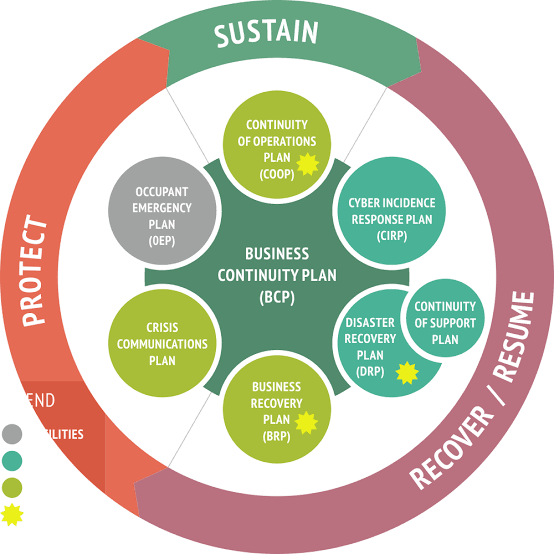
A business continuity plan is a documented set of procedures that tells your team exactly what to do — and in what order — when a disruption hits, so the business keeps functioning at some level instead of grinding to a complete halt.
It covers people, data, physical assets, suppliers, and customer communication, not just “backup the files.”
Step 1: Identify Your Biggest Natural Disaster Risks
Start by mapping which disasters are realistic for your location. A business in coastal Odisha needs a cyclone plan; one in Uttarakhand needs an earthquake and landslide plan; one in Mumbai needs a monsoon flooding plan. Building a business continuity plan around generic advice instead of your actual geography wastes effort.
Step 2: Protect Critical Data First
Data loss is often more damaging than physical damage. Cloud backups (Google Workspace, AWS, or even a simple automated Google Drive sync) mean your invoices, customer lists, and inventory records survive even if your office doesn’t.
- Automate daily backups to a cloud location outside your physical premises
- Keep at least one offline backup on a hard drive stored elsewhere
- Test your backup restoration process twice a year, not just once and forget
Step 3: Build an Emergency Communication Chain
Your business continuity plan needs a clear chain of who calls whom. Assign one person to update customers, one to check on staff safety, and one to coordinate with suppliers. During the 2018 Kerala floods, businesses that had pre-written customer SMS templates communicated delays far faster than those improvising in the moment.
Step 4: Diversify Suppliers and Locations
If your only supplier is in a single flood-prone district, your entire operation is exposed. A resilient business continuity plan includes at least one backup supplier in a different region, even if it costs slightly more in normal times.
Step 5: Get the Right Insurance Coverage
Standard fire insurance often doesn’t cover flood or cyclone damage separately. Review your policy specifically for natural disaster clauses, and factor in business interruption insurance, which covers lost income while you’re closed — not just physical damage to stock or equipment.
Step 6: Train Your Team, Not Just Management
A plan sitting in a folder helps nobody. Run a short annual drill — even a 30-minute walkthrough — so staff know evacuation routes, who to contact, and where backup equipment or records are kept.
Step 7: Plan for a Temporary Location
Identify a co-working space, a partner’s office, or even a staff member’s home that could serve as a temporary base if your primary premises become unusable for weeks. Having this decided in advance saves precious time when disaster actually hits.
FAQ
What’s the difference between a disaster recovery plan and a business continuity plan? Disaster recovery usually focuses narrowly on IT systems and data, while a business continuity plan covers the whole operation — people, suppliers, communication, and finances.
How often should a business continuity plan be updated? Review it at least once a year, and immediately after any major change like moving premises, changing suppliers, or scaling the team.
Is business continuity planning only for big companies? No — small businesses are actually more vulnerable to disruption because they usually don’t have the cash reserves to survive an extended closure.
What should be included in an emergency contact list? Staff personal numbers, key suppliers, your insurance agent, a backup location contact, and local emergency services relevant to your area.
Does insurance replace the need for a continuity plan? No — insurance covers financial loss after the fact, but a continuity plan helps you keep serving customers and generating some revenue during the disruption itself.
How much does it cost to build a basic continuity plan? For a small business, it can cost close to nothing beyond time — cloud backup subscriptions are often under ₹1,000/month, and the rest is documentation and planning.
Conclusion
Natural disasters aren’t rare exceptions in India — they’re a recurring operational risk depending on where your business sits. A solid business continuity plan doesn’t need to be a 50-page corporate document; it needs to answer three questions clearly: how do we protect our data, how do we communicate, and how do we keep serving customers. Start with a one-page version this month, test it once, and build from there — before the next monsoon season makes the decision for you.
[link to related guide about small business insurance here] [link to related guide about cloud backup tools for small business here]
Suggested image alt text:
- “flooded street affecting small business shop front”
- “business owner reviewing continuity plan documents”
- “cloud backup icon representing business data protection”